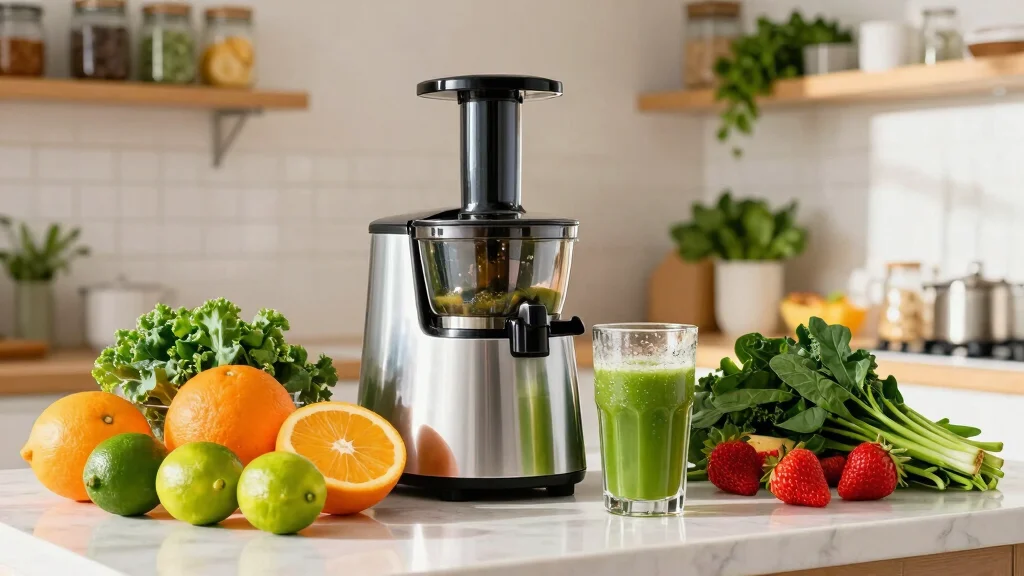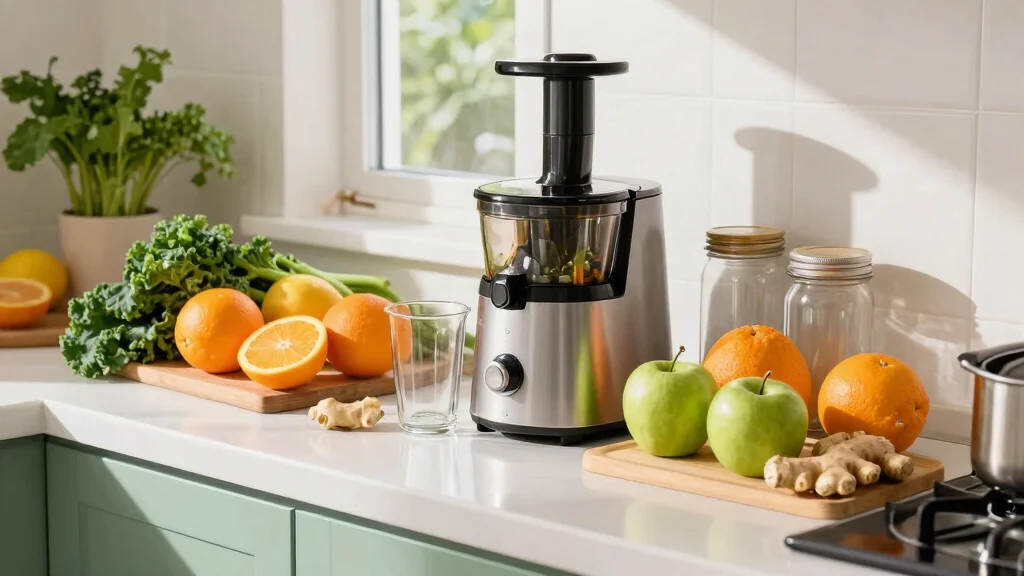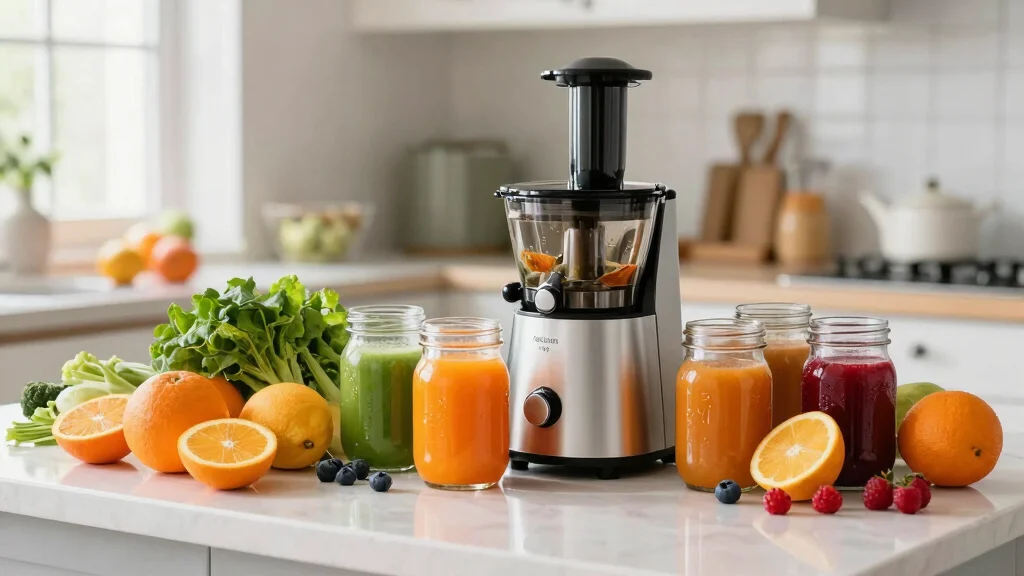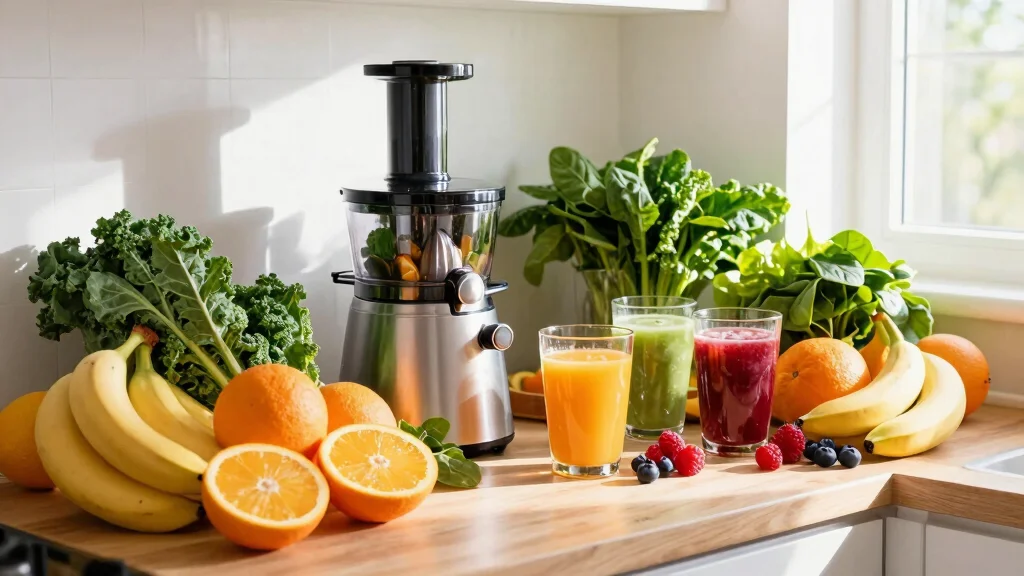

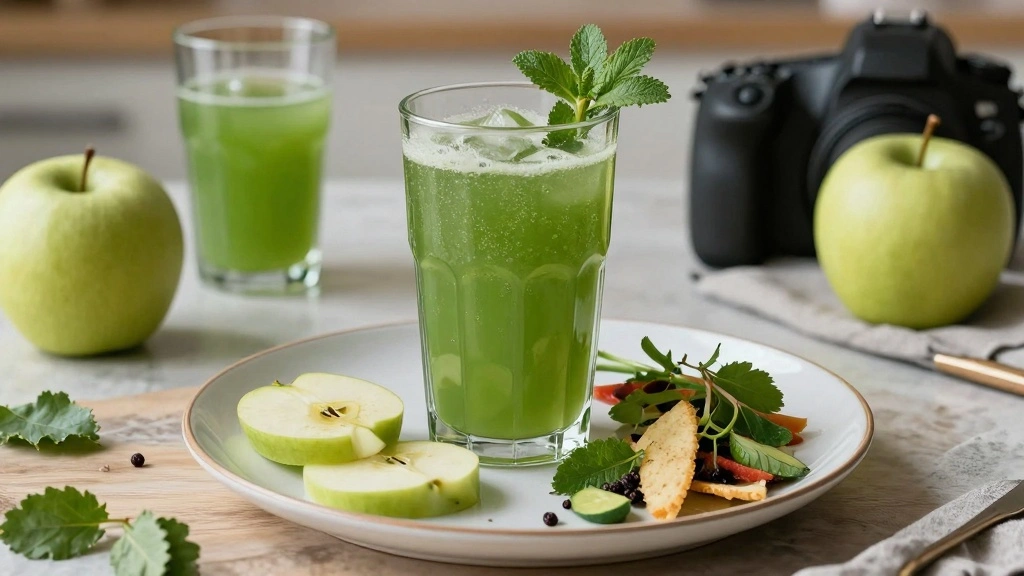
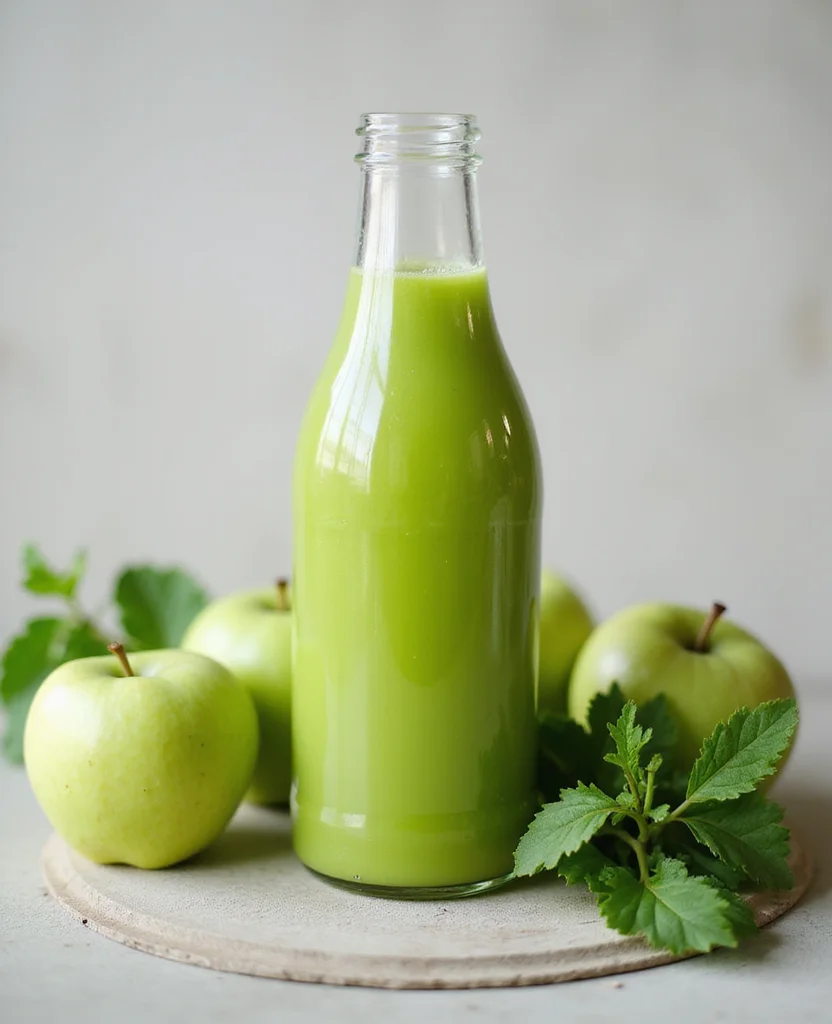
The invigorating taste of green apple juice is a refreshing delight that captures the essence of crisp autumn days.
Each sip offers a perfect balance of tartness and sweetness, energizing your senses and revitalizing your spirit.
I first experienced this juice in a quaint orchard during a family trip, where the apples were freshly picked and juiced right before our eyes.
The vibrant green hue and the zesty aroma were irresistible, enticing us to savor every drop.
Whether you’re looking for a morning boost or a midday refresher, green apple juice is the perfect choice to uplift your day.
The History and Cultural Significance
• Green Apple Juice traces its origins to Eastern Europe in the 17th century, where it was originally created by farmers looking to preserve their bountiful harvests.
• The dish evolved over decades as modern juicing techniques emerged, eventually becoming the beloved version we know today.
• In many Eastern European cultures, this juice traditionally appears at harvest festivals, symbolizing prosperity and abundance.
• While many variations exist across different regions, the authentic version maintains a crisp, tart flavor that sets it apart from imitations.
Recommended Products

NON-STOP JUICING: This powerful masticating juicer’s high-torque motor powers through tough fruits and vegetables like apples, carrots, celery, and leafy greens for smooth, nutrient-rich cold press juice without clogging.

Upgraded 800W Motor - Centrifugal juicer machine with upgraded 800W high speed motor, more efficient and powerful than cold press juicer maker, last much longer than other competitor. 3” wide mouth will save your time on cut everything into small sticks.

【Up To 30% Higher Juice Yield With Drier Pulp】: Get more from every ingredient with this Juicer Attachment for Kitchen Aid stand mixers. Compared with traditional centrifugal juicers, the upgraded cold press auger delivers up to 30% higher juice yield while producing noticeably drier pulp to reduce waste. Preserve more natural flavor and nutrients from apples, celery, carrots, oranges, cucumbers and leafy greens. Fresh pomace can also be reused for composting or gardening."

Recipe Overview
Recommended Products

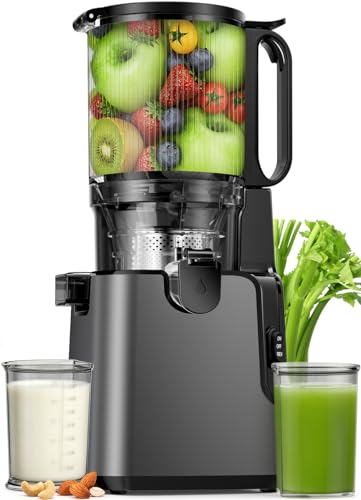
6-INCH WIDE CHUTE, LESS PREP WORK: Featuring a 6-inch wide feed chute that fits whole apples, oranges, cucumbers and more. Skip tedious pre-cutting and cut down preparation time for your daily juicing routine.

3-in-1 Versatility for Wellness: Equipped with two interchangeable strainers (Juice & Sorbet), easily switch between extracting pure, nutrient-rich juice, creating healthy, zero-waste frozen fruit sorbets or making creamy homemade nut milk.

3-in-1 Versatility for Wellness: Equipped with two interchangeable strainers (Juice & Sorbet), easily switch between extracting pure, nutrient-rich juice, creating healthy, zero-waste frozen fruit sorbets or making creamy homemade nut milk.
Nutritional Information
Recommended Products

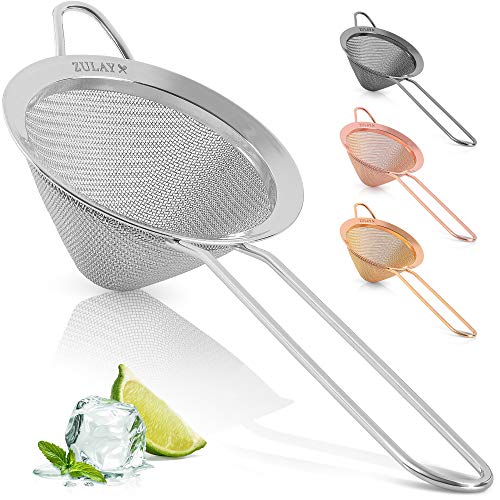
A MUST-HAVE KITCHEN ACCESSORY: Keep the pulp and herbs out of your cocktails with this stainless steel strainer. You can also use it to filter coffee grounds, strain tea leaves or juice, sift flour, or for dusting baked goods. The rim is polished with a classic mirror finish to make this wire mesh strainer a perfect way to add that professional, edgy look to your home bar.
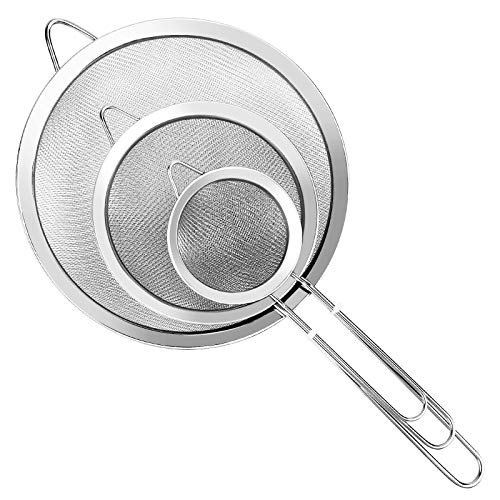
3 Pcs Fine Mesh Strainer With Handle: Three diameters 3.15″ , 5.5″ & 7.87″, ensures that you always have the right strainer for the job. Super wire extra fine mesh strainer with handle are perfect for sifting and straining wet or dry ingredients, repeated use.

3-Piece Set for Every Kitchen Task: This Cuisinart kitchen strainer set includes three sizes— 3⅛″, 5½″, and 7⅞″. Perfect as a small strainer, large strainer, or everyday colander set for all your cooking needs, from rinsing to draining.
Essential Equipment Guide
Juicer: A high-quality juicer is crucial for extracting the maximum juice from the apples without losing any nutrients. Centrifugal juicers are fast but can generate heat that may affect flavor, while masticating juicers work slower but preserve more nutrients.
Mesh Strainer: This tool is important for achieving a smooth juice texture by removing pulp and seeds. A fine-mesh strainer is recommended for the best results, though cheesecloth can be an alternative.
Measuring Cup: Ensures precision in measuring ingredients to maintain the perfect balance of flavors. Look for a cup with clear measurement markings for accuracy.
Recommended Products

🍋 EXTRACT THE LAST DROP - Tired of traditional lemon squeezers? Say goodbye to seeds and pulp with our lemon squeeze hand held juicer, designed to boost juice extraction, and ensures you enjoy pure, freshly squeezed juice every time.

SQUEEZE OUT EVERY DROP OF JUICE: Our 2-in-1 lemon squeezer won’t waste a single drop from your favorite fruit! We have designed this lime juicer to be easy on hands. Watch limes, lemons, and small oranges beg for mercy, even with a soft squeeze. The holes at the bottom of the citrus juicer serve as a seed filter to prevent the pulp and seeds from getting in your way.

EFFORTLESS JUICING: Efficiently juice oranges, lemons, limes, and a variety of fruits as this glass juicer comes with a pointed reamer in the center that gets the most juice out of your fruit and has high reservoir walls for storing that juice. (Ideal for Small to Medium Lemons & Limes)
Ingredients
Recommended Products

NUTRIENT-DENSE GREEN JUICE: One (1) 12 fl oz bottle of Suja Organic Mighty Dozen Cold Pressed Juice Drink

This item may not be available in late evening hours

DELICIOUSLY PURE TASTE— Drink up this wholesome, satisfying 15.2–fluid ounce bottle of Evolution Fresh Essential Greens Organic Vegetable and Fruit Juice Blend —nutrition meets hydration in this all-green blend with a hint of tangy lime
For the Juice
|
| Amount | Ingredient | Notes |
|---|---|---|
| 6 medium | green apples | cored and chopped for easy juicing |
| 1 tablespoon | lemon juice | preserves color and adds brightness |
| 1 tablespoon | honey | balances tartness with a touch of sweetness |
| 1 cup | cold water | adjusts consistency and dilutes intensity if desired |
Preparation Methods
Juicing Technique: Mastering the art of juicing involves selecting the right apples and using the correct juicer settings to extract the richest flavors. Ensure apples are fresh and firm for optimal juice quality.
Straining Method: To achieve a clear juice, strain the mixture through a fine-mesh strainer, removing all pulp and seeds. Patience is key, allowing gravity to do the work without pressing the pulp.
Lemon Preservation: Adding lemon juice immediately after juicing prevents oxidation, keeping the juice vibrant and fresh. Mix thoroughly to ensure even distribution.
Recommended Products

New and Improved - Our Newest Centrifugal Juicer brings Customizable juicing filter provides more juicing possibilities. Optimized motor technology for better juice yield
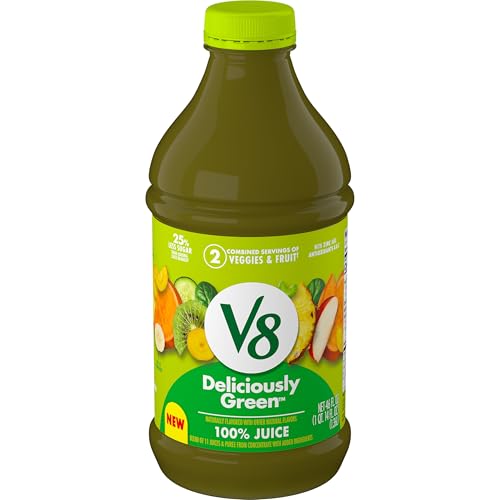
One (1) 46 fl oz bottle of V8 Deliciously Green 100% Fruit and Vegetable Juice

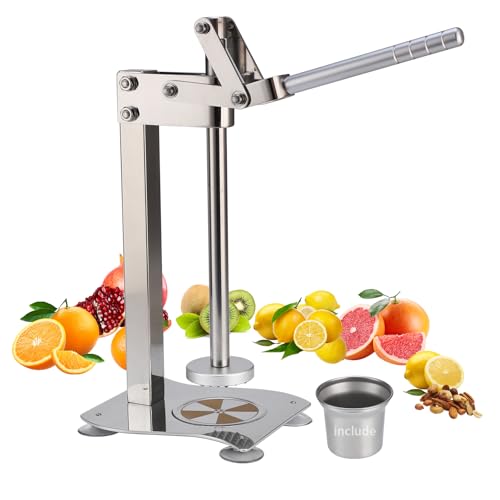
Robust Construction: Crafted from premium stainless steel, this fruit and wine press boasts a heavy-duty cross-beam design, ensuring durability and stability during use.
Step 1: Prepare the Apples
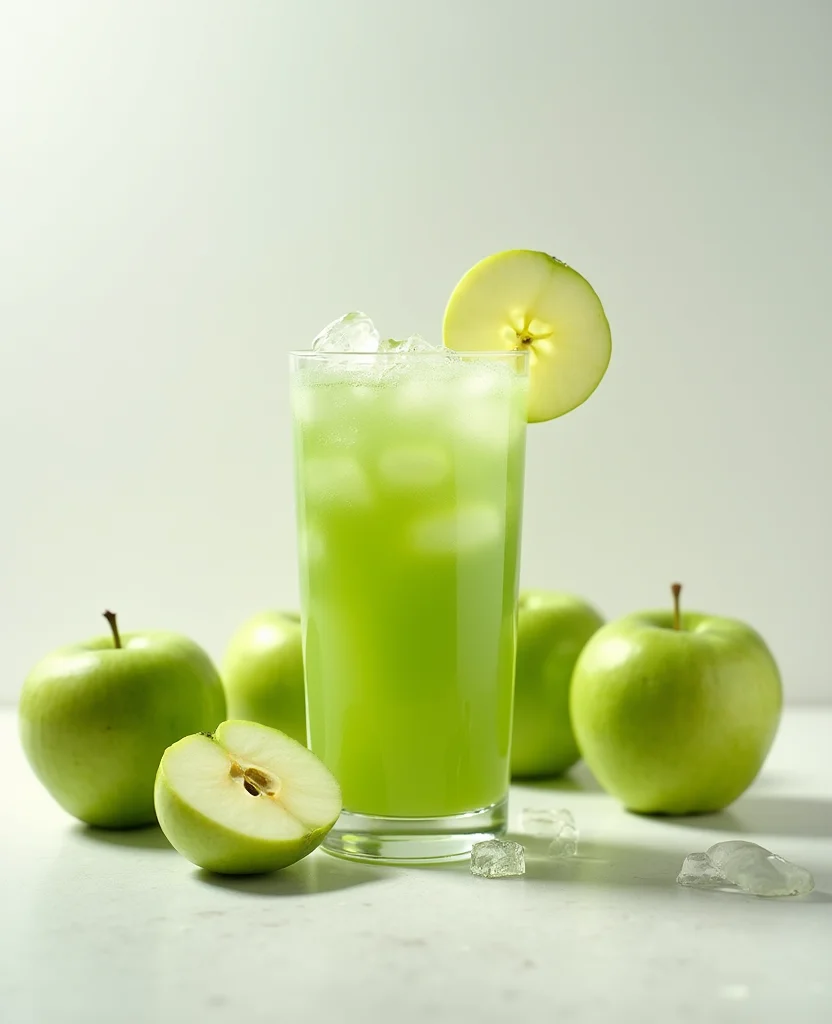
Rinse the apples thoroughly under cold water.
Core the apples and chop them into smaller pieces for easy juicing.
Ensure all seeds and stems are removed to prevent bitterness.
Place the chopped apples into a large bowl.
Recommended Products

NON-STOP JUICING: This powerful masticating juicer’s high-torque motor powers through tough fruits and vegetables like apples, carrots, celery, and leafy greens for smooth, nutrient-rich cold press juice without clogging.

HIGH JUICE YIELD: Our 300 watt juicer utilizes slow-speed cold press technology to extract a high yield of vitamins, nutrients, and juice. Experience the benefits of efficient juicing and maximize your juice yield for a truly satisfying juicing experience

FRESH FAMILY JUICE: Enjoy fresh cold press juice from a slow masticating juicer that helps retain up to 95% of vitamins and nutrients, supporting balanced daily nutrition for the whole family, including kids and seniors.

Step 2: Set Up the Juicer
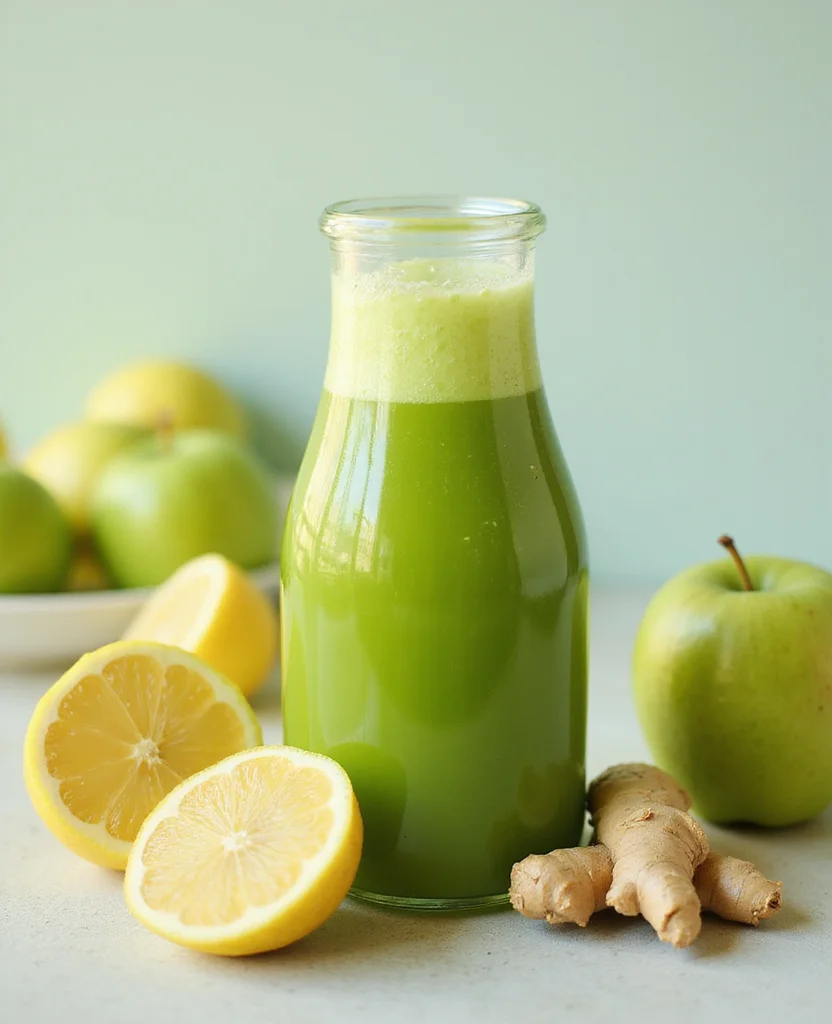
Assemble your juicer according to the manufacturer's instructions.
Ensure all parts are securely attached to prevent leaks.
Place a large bowl under the juicer spout to catch the juice.
Turn on the juicer and set it to the appropriate setting for apples.
Recommended Products

Pulp Strainer for Juicing :As a secondary fine filter for nama j2 juicer, it can effectively filter out the residual fine pulp and foam in the juice, significantly improving the taste of the juice
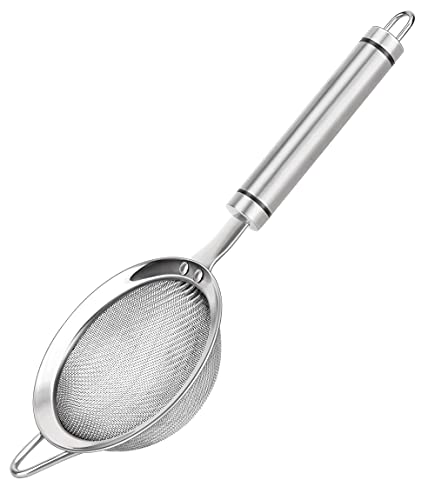
Made from high-quality, food-grade 304 stainless steel. This strainer features a sturdy outer framework and handle. Easy cleaning. Dishwasher safe. Mirrored, burr-free wire mesh screen won't scratch your hand while you clean it.

Food-Grade Funnel Set: Kalave metal funnel crafted from 100% food grade high-quality stainless steel, The detachable 200 mesh funnel strainer made of PP frame and 200 fine mesh nylon filters. Funnel set is safe, non-toxic, sturdy and durable. compatible for most bottles, jars and other containers. The premium food-grade stainless steel funnel set resist bending, breaking, corrosion and rusting, and stay safe and beautifully with you for life.
Step 3: Juice the Apples
Feed the chopped apples into the juicer chute one handful at a time.
Use a pusher if necessary to guide the apples into the juicing mechanism.
Continue juicing until all apple pieces are processed.
Turn off the juicer once done and disassemble for cleaning.
Recommended Products
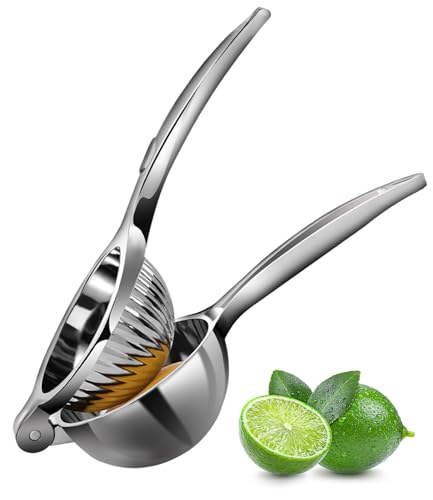
GET ALL JUICE FROM YOUR FRUIT: Unleash the full potential of your favorite fruits with Rekix's Lemon Squeezer. Extract every last drop of liquid, leaving no juice behind. Transform limes, lemons, and even small oranges into liquid bursts of flavor. Say goodbye to wasted fruit and hello to a citrusy symphony in your glass.

MORE POWER THAN STANDARD 25W MODELS: Equipped with a stronger 40W motor and auto-reversing extraction for faster juice yield vs. typical 25W citrus juicers. Designed for smooth, efficient home juicing.
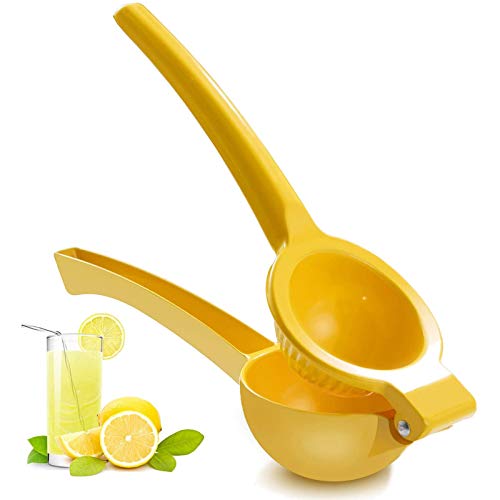
MAXIMUM JUICE, MINIMUM WASTE – This lemon squeezer is designed to extract more juice from lemons and limes with less effort. The deep bowl design helps capture every drop while keeping seeds and excess pulp out of your juice, delivering fresh flavor without the mess.


Step 4: Strain the Juice
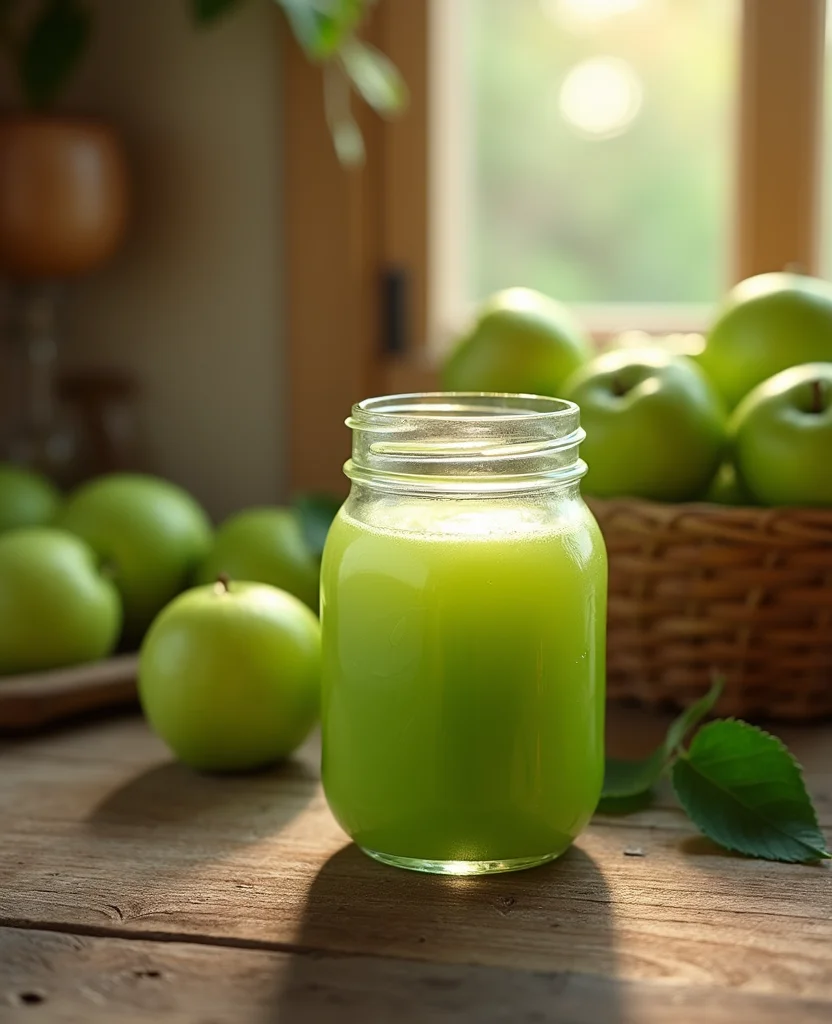
Place a fine-mesh strainer over a clean pitcher or bowl.
Pour the freshly juiced apple mixture through the strainer.
Use a spoon to gently stir the pulp, aiding the straining process.
Allow gravity to naturally separate the juice from the pulp.
Recommended Products


NUTRIENT-DENSE GREEN JUICE: One (1) 12 fl oz bottle of Suja Organic Uber Greens Cold Pressed Juice Drink

Cold Pressed – Premium cold-pressed juice made with 100% vegetables and cayenne pepper for a natural kick, retaining nutrients and fresh flavor.



Step 5: Add Lemon Juice
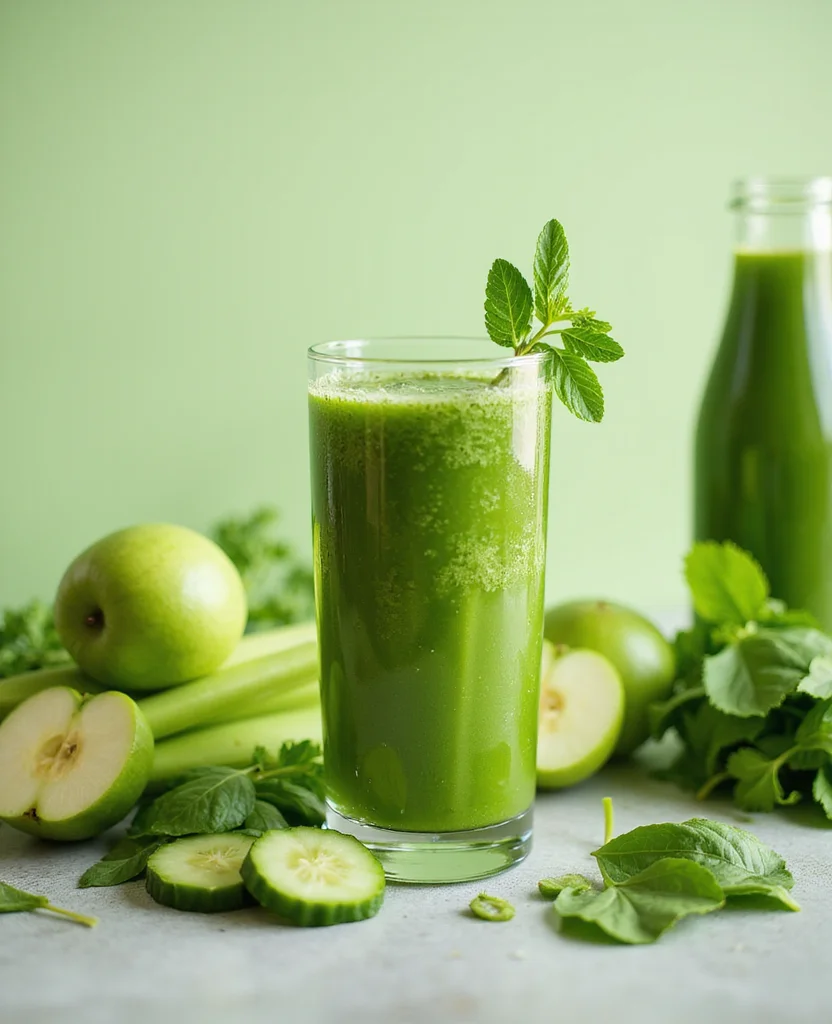
Measure one tablespoon of fresh lemon juice.
Pour the lemon juice into the strained apple juice.
Stir thoroughly to ensure even distribution.
Taste the juice to check for balance and adjust if needed.


Step 6: Sweeten with Honey
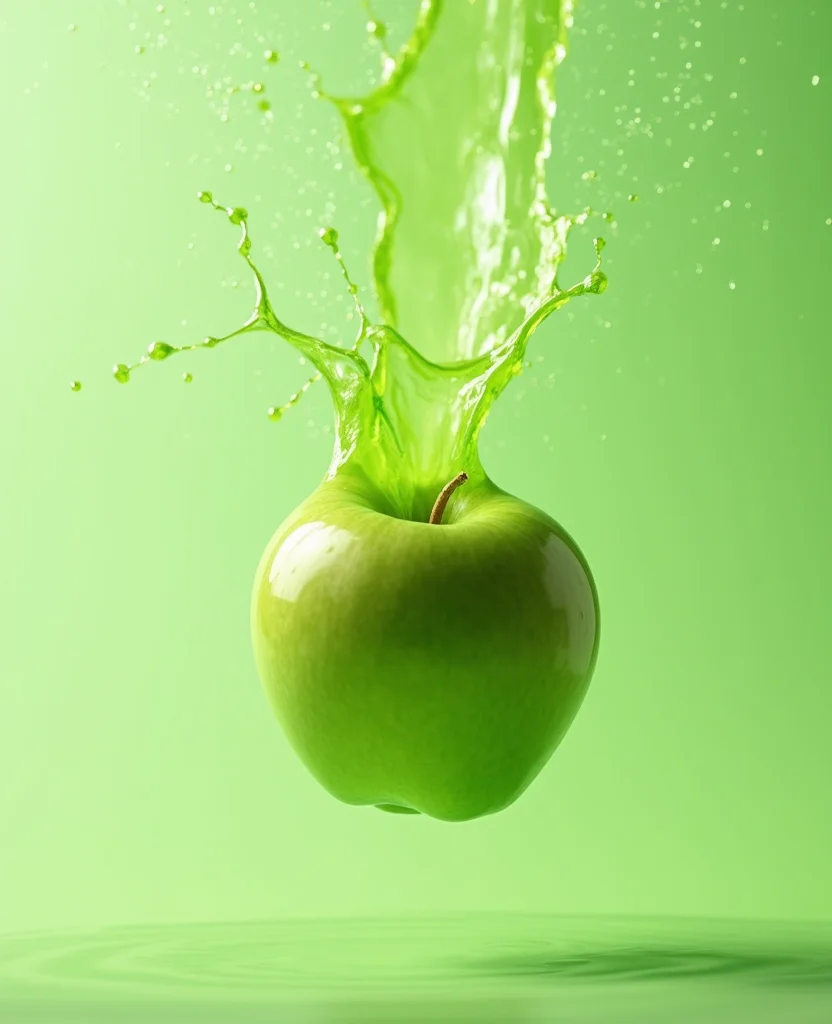
Measure one tablespoon of honey and add it to the juice.
Stir well until the honey is completely dissolved.
Taste the juice and adjust sweetness if desired.
Ensure the honey is evenly mixed throughout the juice.
Step 7: Adjust Consistency
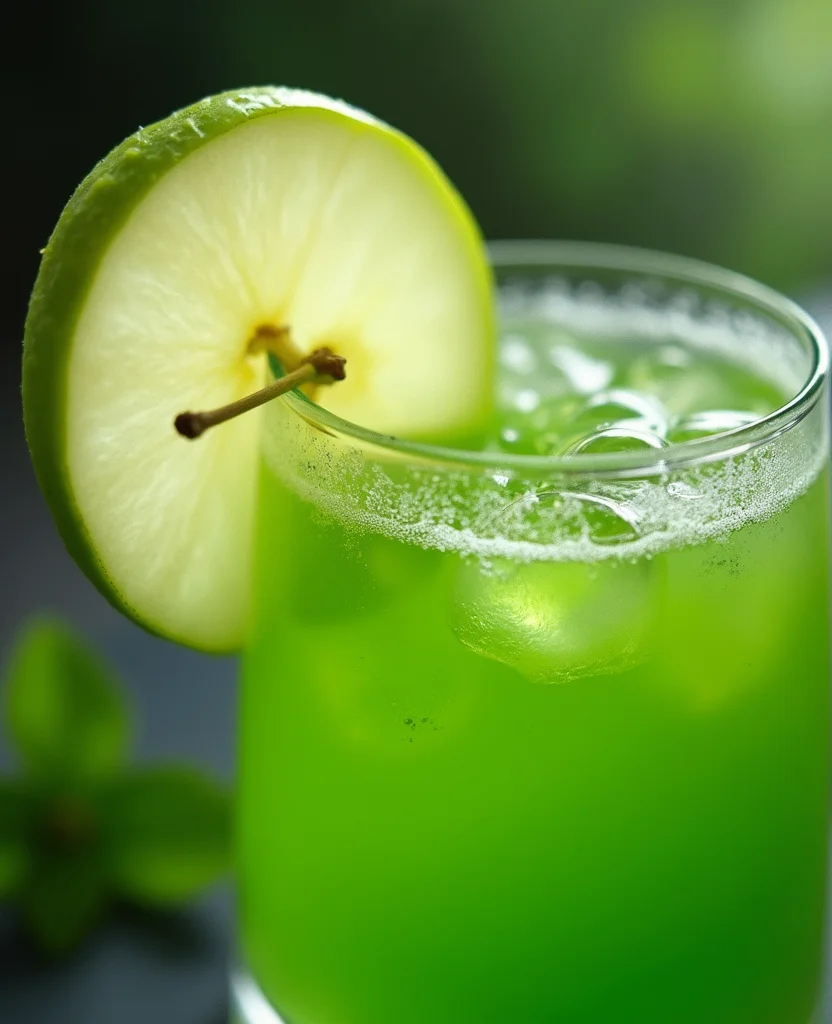
Add one cup of cold water to the juice to dilute if too concentrated.
Stir thoroughly to combine the water and juice.
Taste to ensure the desired consistency and flavor balance.
Add more water if a lighter juice is preferred.
Step 8: Chill and Serve
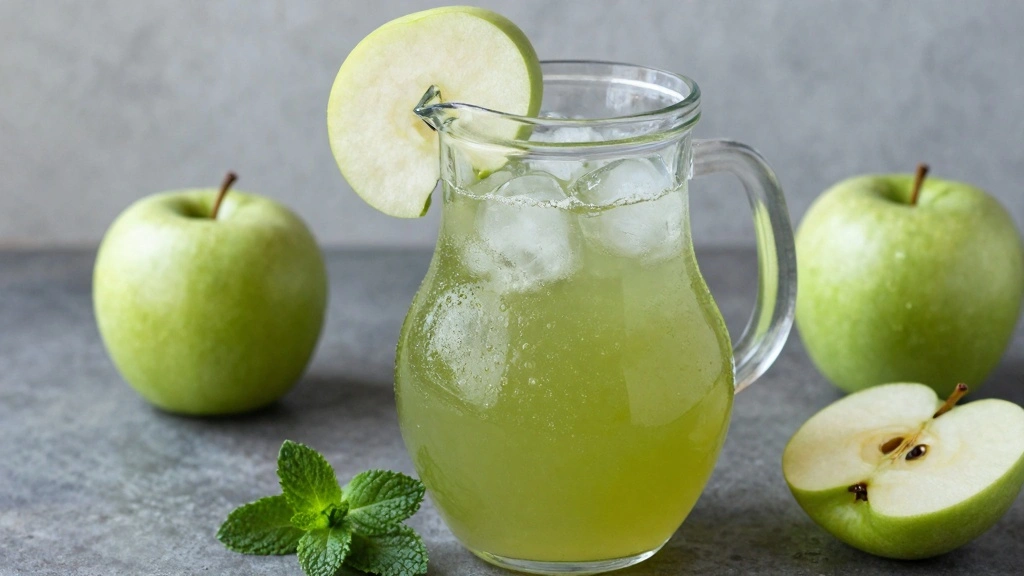
Transfer the juice to a serving pitcher or individual glasses.
Chill in the refrigerator for at least 30 minutes before serving.
Serve over ice for an extra refreshing experience.
Garnish with a slice of green apple or a sprig of mint for presentation.


Critical Timing and Temperature Guide
Juicing Process: Ensure the juicer is operated at a slow, consistent speed to prevent overheating and nutrient loss. Avoid rushing the juicing process to maintain flavor integrity.
Straining Juice: Allow at least 5 minutes for the juice to strain naturally. Avoid pressing the pulp to prevent cloudiness and bitterness in the juice.
Chilling Juice: Chill the juice for at least 30 minutes to enhance flavor and refreshment. Serve immediately after chilling to enjoy it at its best quality.


Pro Tips for Green Apple Juice
• Ingredient Selection: Choose firm, bright green apples that are free from blemishes for the freshest juice.
• Preparation Secret: Pre-chill your apples in the refrigerator for an extra cold and refreshing juice.
• Temperature Management: Ensure all equipment is dry and at room temperature to prevent condensation during juicing.
• Texture Enhancement: Use a masticating juicer for a smoother, more refined juice texture.
• Flavor Layering: Add a pinch of sea salt to enhance the natural sweetness and complexity of the juice.
• Make-Ahead Strategies: Store juice in an airtight container for up to 24 hours in the refrigerator to maintain freshness.
• Restaurant-Quality Finishing Touches: Garnish with a thin apple slice or fresh mint sprig for a professional presentation.
• Equipment Optimization: Regularly clean and maintain your juicer to ensure optimal performance and longevity.


Troubleshooting Common Issues
• Juice Too Tart: If the juice is too tart, add a bit more honey or a small amount of water to balance the flavors.
• Juice Too Sweet: To counteract excessive sweetness, add a splash of lemon juice or a pinch of salt.
• Pulp in Juice: If pulp remains in the juice, strain a second time using a finer mesh or cheesecloth.
• Cloudy Appearance: Ensure the juice is not pressed through the strainer to maintain clarity.
• Oxidation: Prevent browning by adding lemon juice immediately after juicing and storing in an airtight container.


Variations and Regional Differences
• American Style: Incorporates a mix of green apples and Granny Smiths for a sweeter, less tart juice.
• French Variation: Often includes a hint of fresh ginger or mint for an aromatic twist.
• Indian Version: May add a pinch of black salt and cumin for a savory, spiced juice experience.
• Japanese Influence: Uses a combination of green apples and matcha powder for a unique, earthy flavor.
Food Science Behind the Recipe
• Oxidation Prevention: Understanding how lemon juice prevents oxidation can help maintain the juice's fresh appearance and flavor.
• Sugar and Acidity Balance: The balance between sugar and acidity affects not only taste but also the preservation quality of the juice.
• Juicing Mechanics: Knowing how different juicer types extract juice can influence the nutritional content and flavor profile of your juice.
Frequently Asked Questions
What's the most common mistake people make when preparing green apple juice? Overlooking the importance of balancing sweetness and tartness, often resulting in a juice that is too tart or too sweet.
Can I use any type of apple for this juice? While you can experiment with different apple varieties, green apples best provide the desired tartness and vibrant flavor.
How long can I store green apple juice? For the best flavor and nutritional benefits, consume within 24 hours when stored in an airtight container in the refrigerator.
Is it necessary to use lemon juice? Lemon juice is essential for preserving the juice's color and adding brightness to the flavor.
Can I add spices to the juice? Yes, spices like ginger or cinnamon can be added for additional flavor complexity.
What if I don't have a juicer? A blender can be used as an alternative, followed by straining to achieve a smooth juice.
How can I make the juice less tart? Adding more honey or diluting with water can help balance the tartness.
What are the health benefits of green apple juice? Green apple juice is rich in vitamins and antioxidants, promoting hydration and supporting the immune system.
Serving and Presentation Guide
• Traditional Presentation: Serve in a clear glass with a slice of apple on the rim and a mint sprig for garnish.
• Modern Twist: Present in a stemless wine glass with a touch of cinnamon dusted on top for a warm aroma.
• Party Style: Offer in small mason jars with colorful paper straws for a rustic and inviting presentation.
• Gourmet Approach: Serve in a chilled martini glass with a thin apple slice floating on the surface for elegance.


Conclusion
Creating the perfect green apple juice at home is a rewarding experience that combines simplicity with delightful flavor.
With the right ingredients and techniques, you can enjoy a refreshing and healthful beverage that invigorates your senses.
Whether you're serving it at a gathering or enjoying a quiet moment alone, green apple juice is sure to become a cherished favorite in your recipe collection.