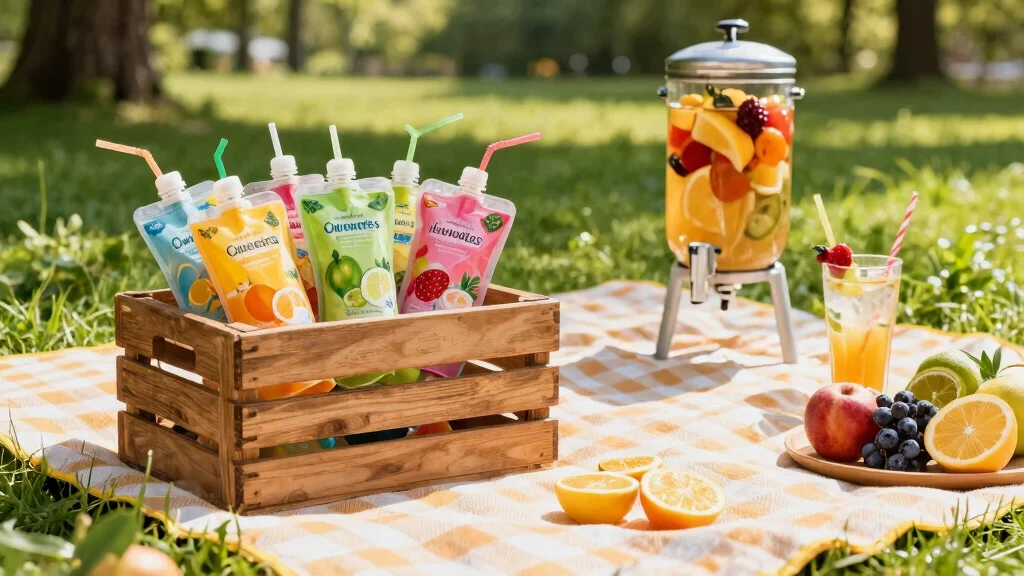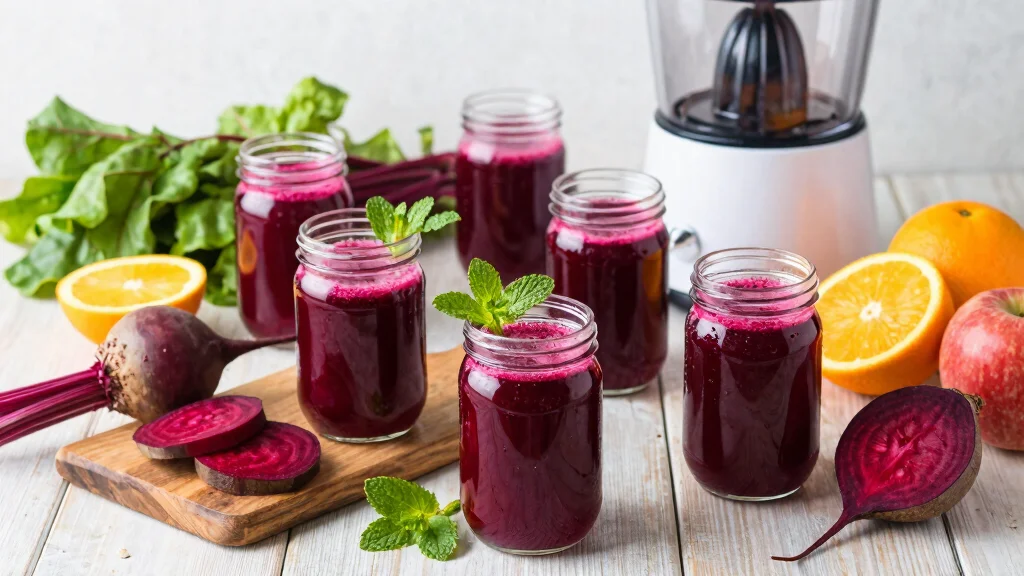

The journey to wellness often starts with a single step, and for me, that step was discovering healing aloe vera juice recipes.
The crisp, refreshing flavor of aloe vera juice combined with natural sweeteners offers a rejuvenating experience.
Rooted in ancient practices, aloe vera has been used for its medicinal properties across various cultures.
This recipe is perfect for those looking to detox naturally and feel revitalized.
Whether you’re in the midst of a seasonal cleanse or just want a daily health boost, aloe vera juice is a simple yet powerful addition to your routine.
The History and Cultural Significance
• Healing Aloe Vera traces its origins to ancient Egypt, where it was known as the ‘plant of immortality’ and used for its health benefits.
• The dish evolved over decades as people began integrating aloe with various fruits and herbs, eventually becoming the beloved version we know today.
• In traditional Indian Ayurveda, aloe vera juice is consumed during detoxification rituals, symbolizing purification and renewal.
• While many variations exist across different regions, the authentic version maintains a balance of earthy and sweet flavors that sets it apart from imitations.



Recipe Overview
Nutritional Information (per serving)
Essential Equipment Guide
Blender: A high-speed blender is crucial for achieving a smooth consistency in aloe vera juice. A standard blender can work, but you might need to strain the juice afterward. Look for blenders with multiple speed settings to control the texture.
Knife: A sharp knife is essential for cleanly cutting the aloe vera leaf and extracting the gel. A dull knife can cause more waste and make the process tedious. Choose a knife with a comfortable handle for better control.
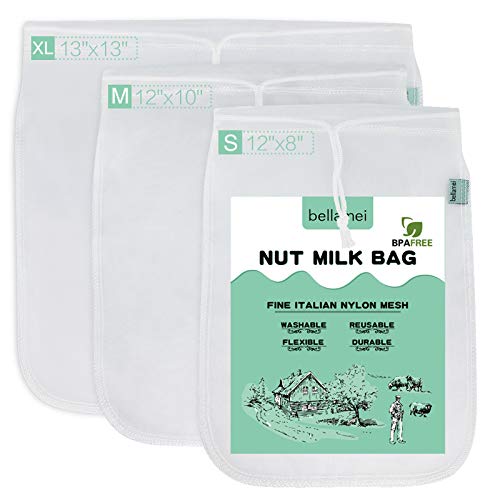
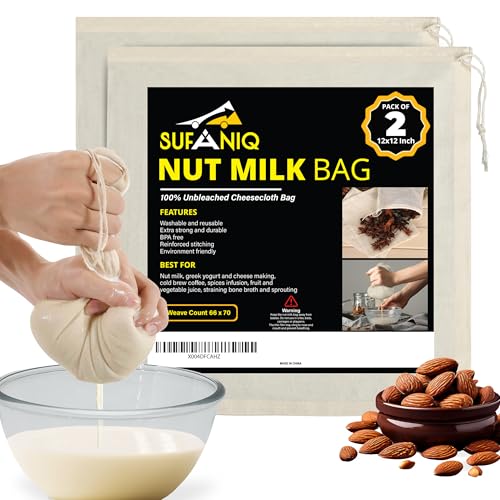
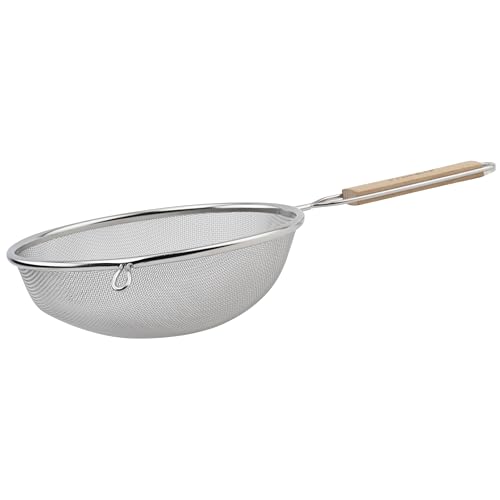
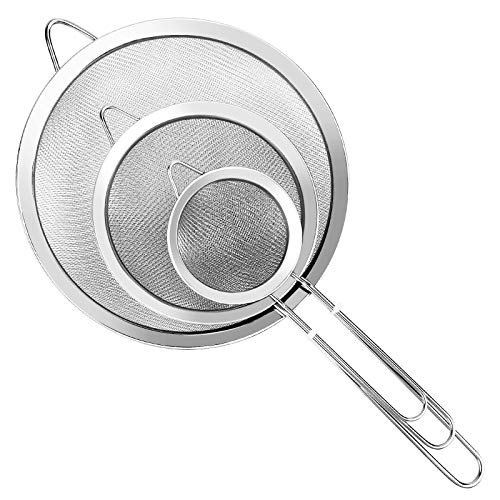
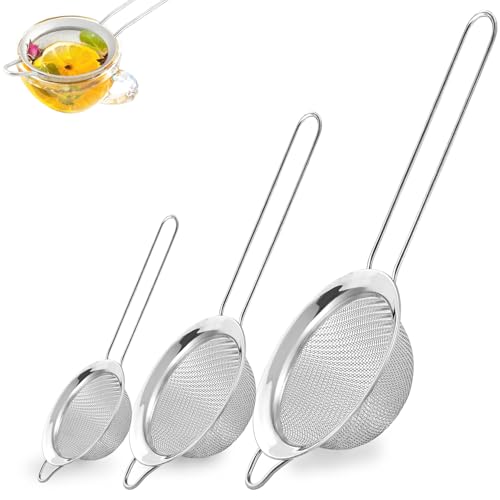
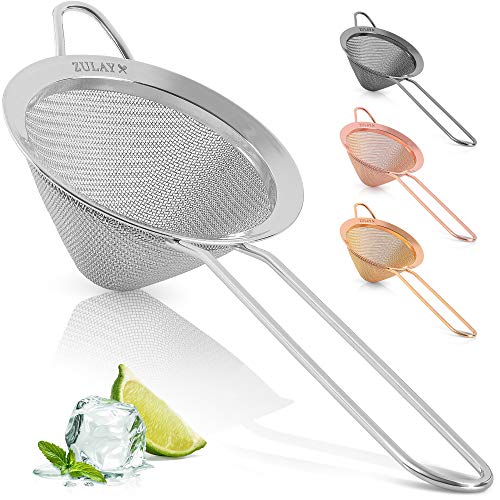
Fine Mesh Strainer: This tool is important for removing any pulp or fiber left in the juice. An alternative can be a cheesecloth or nut milk bag, but a fine mesh strainer is easier to use and clean. Ensure it has a sturdy frame for durability.



Ingredients
For the Base
|
| Amount | Ingredient | Notes |
|---|---|---|
| 1 large | aloe vera leaf | fresh, washed and dried |
| 2 cups | water | filtered, for blending |
Flavor Enhancements
| Amount | Ingredient | Notes |
|---|---|---|
| 1 tablespoon | honey | natural sweetener |
| 2 tablespoons | lemon juice | freshly squeezed, adds tanginess |
| 1 cup | cucumber | peeled and chopped, adds freshness |
Optional Additions
| Amount | Ingredient | Notes |
|---|---|---|
| 1 teaspoon | ginger | grated, adds heat |
| 4 leaves | mint | fresh, for garnish |
Preparation Methods
Extracting Aloe Vera Gel: Carefully slice off the spiky edges of the aloe vera leaf, then cut the leaf in half lengthwise. Use a spoon to scoop out the clear gel, avoiding any yellow sap, which can be bitter. This technique is crucial to ensure the juice is smooth and palatable.
Smoothing Texture with Blending: Combine the aloe vera gel with water in a blender. Blend on high speed until the mixture is completely smooth. This method ensures the aloe integrates well with other ingredients, creating a uniform consistency.
Balancing Flavors: Adjust the sweetness and acidity by adding honey and lemon juice gradually. Taste as you go to find your preferred balance. This technique helps tailor the juice to your palate, ensuring a pleasant drinking experience.
Step 1: Prepare Aloe Vera Leaf
Start by washing the aloe vera leaf thoroughly under cool running water.
Dry the leaf with a clean towel to remove excess moisture.
Carefully trim the sides of the leaf to remove the sharp thorns.
Cut the leaf into manageable sections for easier gel extraction.



Step 2: Extract Aloe Vera Gel
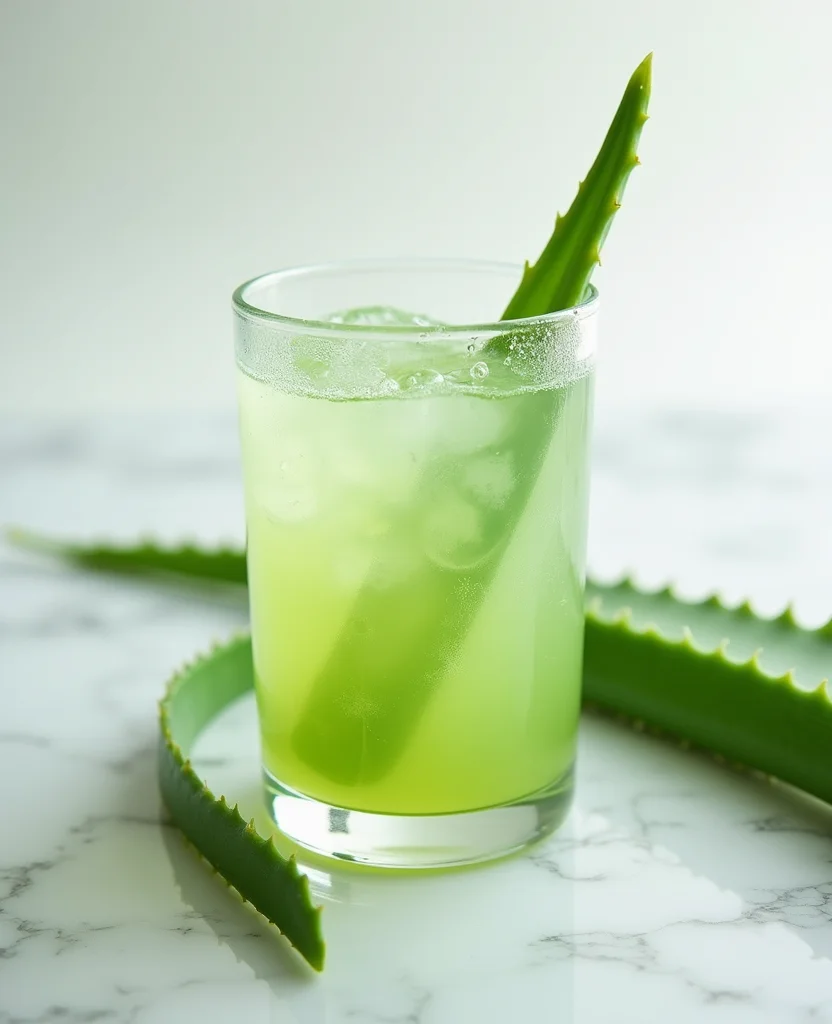
Cut open the aloe vera leaf sections lengthwise using a sharp knife.
Gently scoop out the clear gel with a spoon, avoiding any yellow sap.
Place the gel into a bowl, ensuring no pieces of leaf are included.
This step is crucial for ensuring a pure, bitter-free juice.



Step 3: Blend Aloe Vera Gel
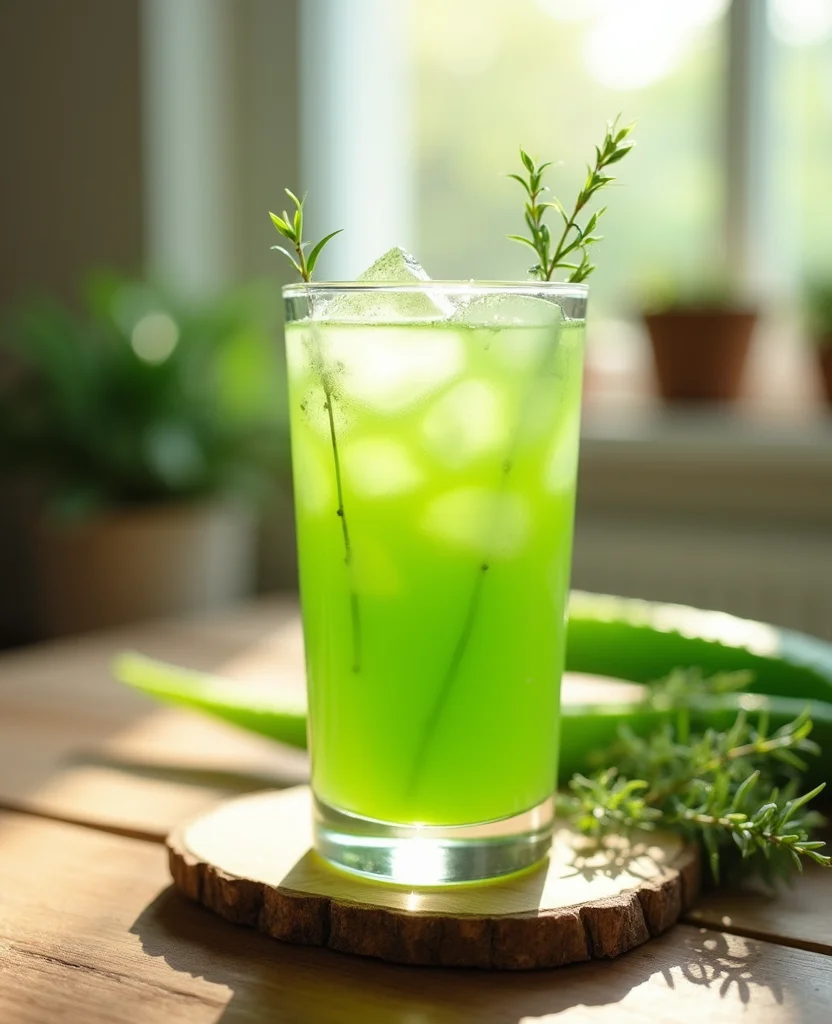
Transfer the aloe vera gel into a blender.
Add 2 cups of filtered water to the blender.
Blend on high speed until the mixture is smooth and frothy.
Ensure no lumps remain for a silky texture.


Step 4: Add Flavor Enhancements
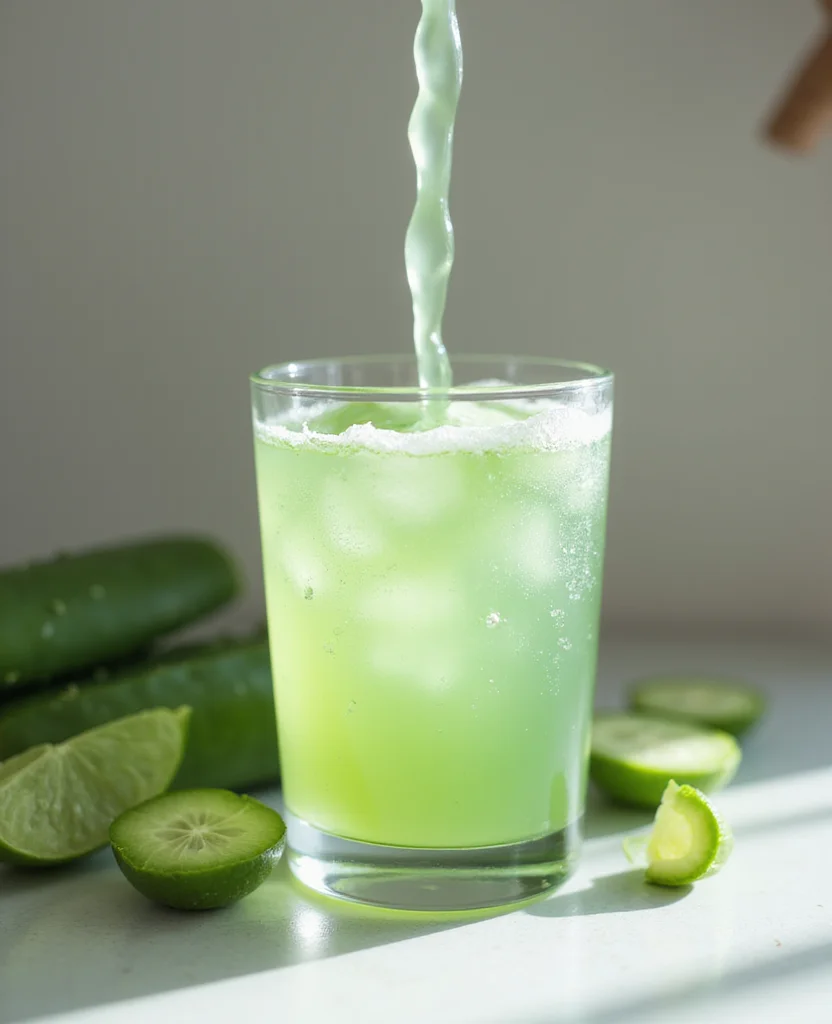
Peel and chop the cucumber into small pieces.
Add the cucumber, honey, and lemon juice to the blender.
Blend the mixture again until fully integrated.
Taste and adjust honey or lemon juice as needed for flavor balance.





Step 5: Strain the Juice
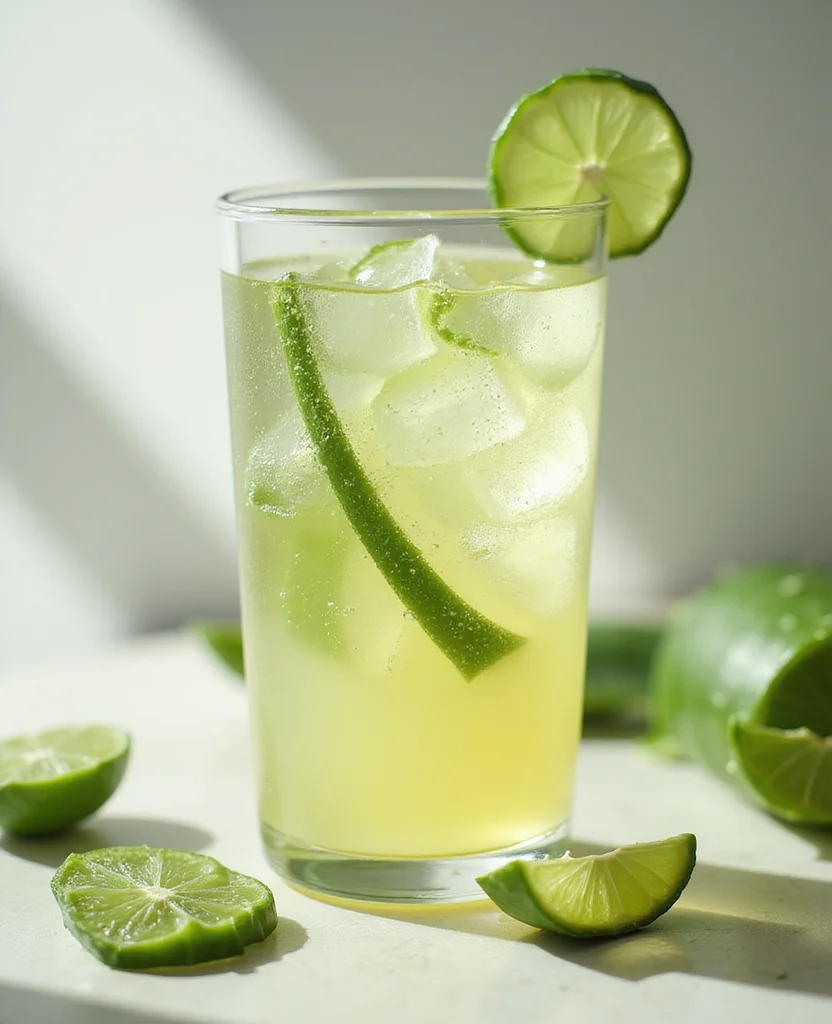
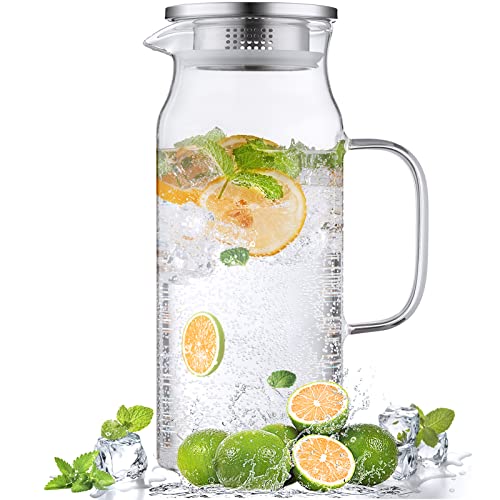
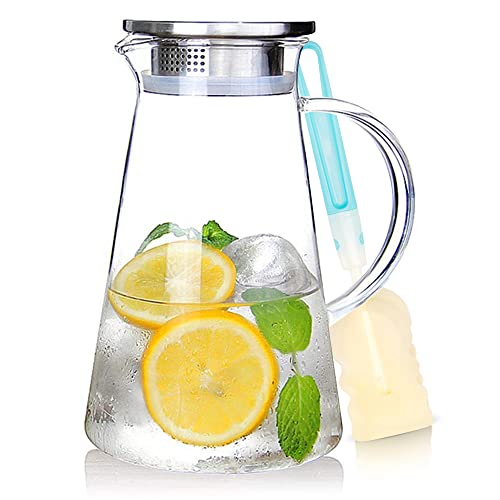
Place a fine mesh strainer over a large pitcher.
Pour the blended mixture through the strainer to remove pulp.
Use a spoon to press down and extract all the liquid.
Ensure that only smooth juice is collected in the pitcher.



Step 6: Optional Ginger Infusion
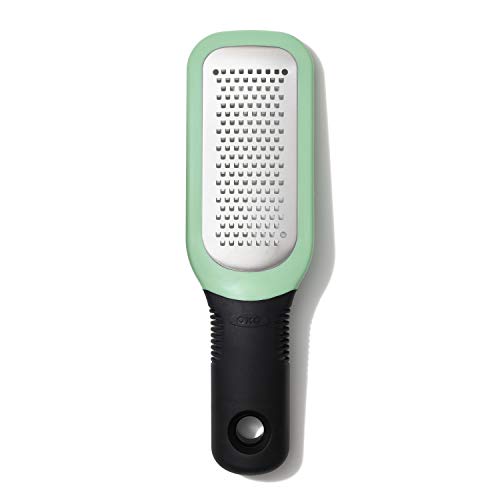
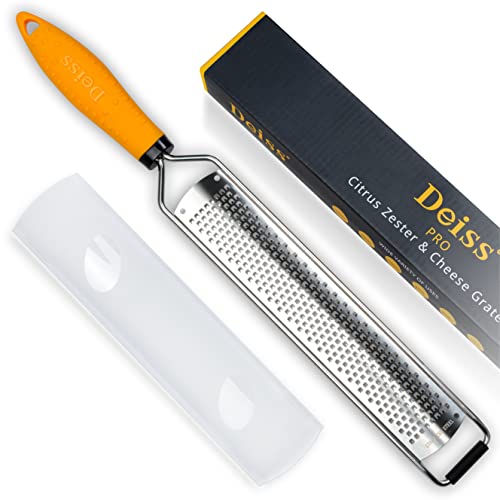
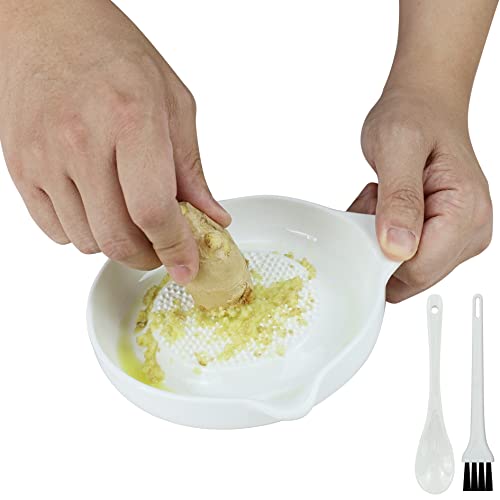
Grate fresh ginger and add it to the strained juice.
Stir the juice gently to incorporate the ginger flavor.
This step adds a warming spice element to the juice.
Taste and adjust the amount of ginger to preference.

Step 7: Chill the Juice
Cover the pitcher and refrigerate the juice for at least 30 minutes.
This chilling time allows flavors to meld together.
Ensure the juice is served cold for maximum refreshment.
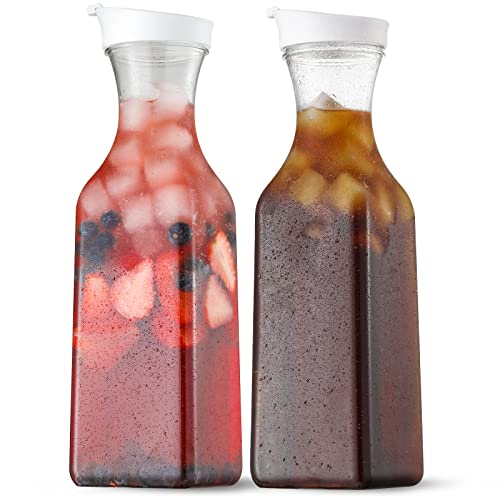
Prepare glasses with ice cubes for serving.




Step 8: Garnish and Serve
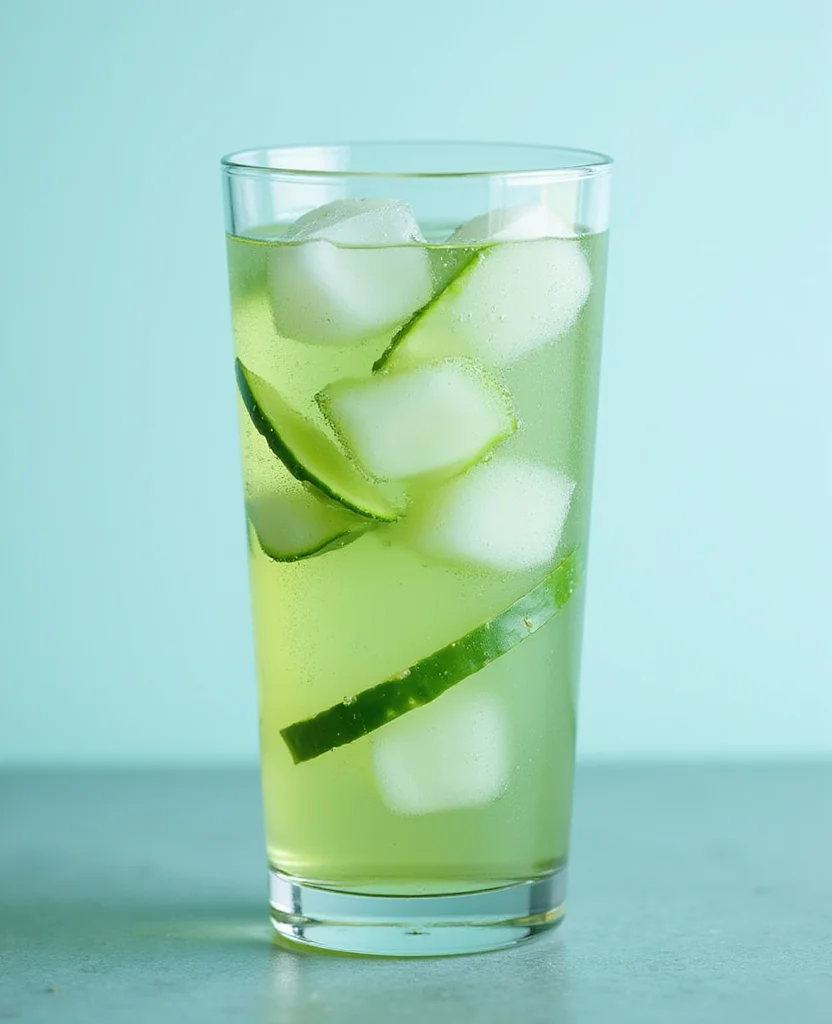
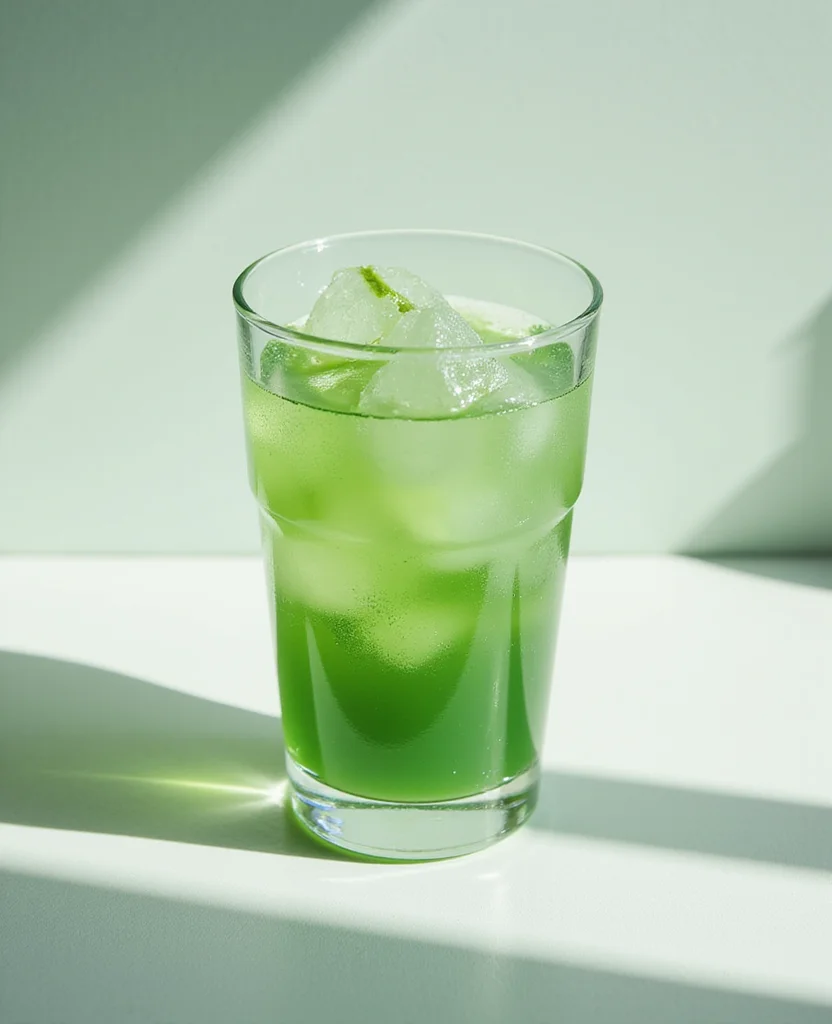
Pour chilled juice into individual serving glasses.
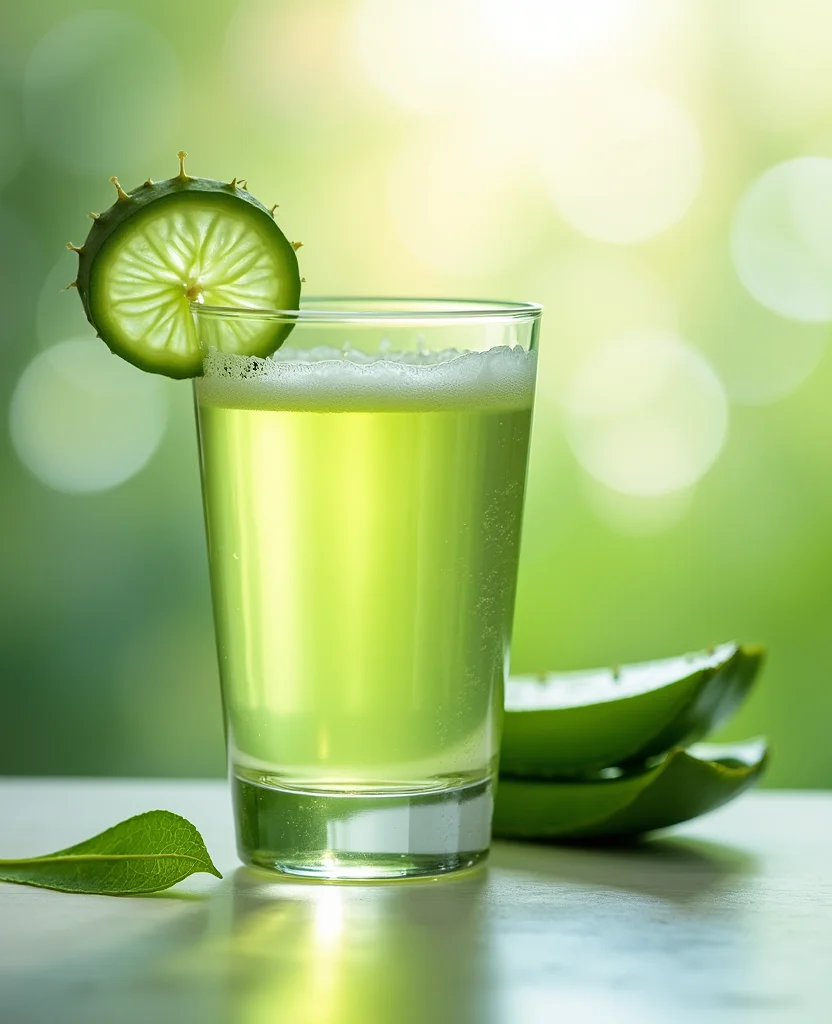
Garnish each glass with fresh mint leaves.
Optionally, add a cucumber slice to the rim of the glass.
Serve immediately and enjoy the refreshing taste.





Critical Timing and Temperature Guide
Blending Process: Blend for 2–3 minutes until smooth. Check for a consistent texture without lumps. Avoid over-blending, which can introduce too much air into the mix.
Refrigeration Period: Chill for at least 30 minutes before serving. The juice should be cool to the touch. Avoid serving at room temperature, which diminishes refreshing qualities.
Serving Conditions: Serve immediately after garnishing. The juice should have a slight frothy top. Avoid letting the juice sit too long, as it can separate.


Pro Tips for Healing Aloe Vera
• Ingredient Selection: Choose a fresh, thick aloe vera leaf with no blemishes or yellow spots for the best gel quality.
• Preparation Secret: Add a pinch of salt to the juice to enhance sweetness and balance flavors.
• Temperature Management: Use cold water for blending to maintain the aloe's natural refreshing properties.
• Texture Enhancement: Blend the juice at high speed to achieve a creamy, smooth texture without straining.
• Flavor Layering: Incorporate herbs like mint or basil during blending for a complex flavor profile.
• Make-Ahead Strategies: Prepare the aloe gel in advance and store it in an airtight container in the fridge for up to a week.
• Restaurant-Quality Finishing Touches: Garnish with edible flowers for a visually appealing presentation.
• Equipment Optimization: Ensure your blender blades are sharp to efficiently process the aloe and other ingredients.


Troubleshooting Common Issues
• Bitterness in Juice: Caused by including the yellow sap. Ensure only clear gel is used. If bitterness occurs, add more honey or lemon to balance it.
• Pulp in Juice: Occurs when not strained properly. Use a fine mesh strainer and press thoroughly to remove all solids.
• Separation of Juice: Happens if not blended well. Blend again or shake well before serving to re-emulsify.
• Weak Flavor: Results from insufficient sweeteners or enhancers. Adjust honey and lemon juice to taste.
• Overpowering Ginger: Caused by too much ginger. Start with a small amount, gradually increase, and taste frequently.
• Cloudy Appearance: Due to over-blending. Blend just until smooth and avoid introducing excess air.
Variations and Regional Differences
• Mexican Style: Includes a splash of lime juice and chili powder for a spicy kick, commonly served in summer.
• Middle Eastern Variation: Uses rose water and cardamom for a floral, aromatic touch, often consumed in Ramadan.
• Caribbean Twist: Adds coconut water and pineapple chunks for a tropical flavor profile, ideal for beachside refreshment.
• Asian Influence: Incorporates green tea and honeydew melon for a refreshing twist, popular in spa menus.
Food Science Behind the Recipe
• Emulsification: The blending process helps emulsify the aloe gel with water, creating a smooth texture. Understanding this helps prevent separation.
• Gel Extraction: The aloe vera gel contains polysaccharides that contribute to the juice's soothing properties. Proper extraction ensures maximum health benefits.
• Acid-Balance Interaction: Lemon juice acts as an acid, balancing the alkaline nature of aloe vera, which enhances the overall taste and benefits.
Frequently Asked Questions
What's the most common mistake people make when preparing Healing Aloe Vera Juice? The most common mistake is using the aloe leaf's yellow sap, which can make the juice bitter. Always ensure only the clear gel is used.
Can I use store-bought aloe vera gel? It's best to use fresh aloe vera leaves. Store-bought gels often contain additives that can alter the taste and health benefits.
How long can I store aloe vera juice? Freshly made aloe vera juice can be stored in the refrigerator for up to 3 days in an airtight container.
What are the health benefits of aloe vera juice? Aloe vera juice is known for its detoxifying properties, aiding digestion, and boosting skin health.
Is it necessary to strain the juice? Straining is recommended to remove any residual pulp and achieve a smooth texture.
Can I add other fruits to the juice? Yes, fruits like apple or pear can be added for additional sweetness and flavor.
Why is my juice separating? Separation can occur naturally. Shake well before serving to re-mix the ingredients.
Serving and Presentation Guide
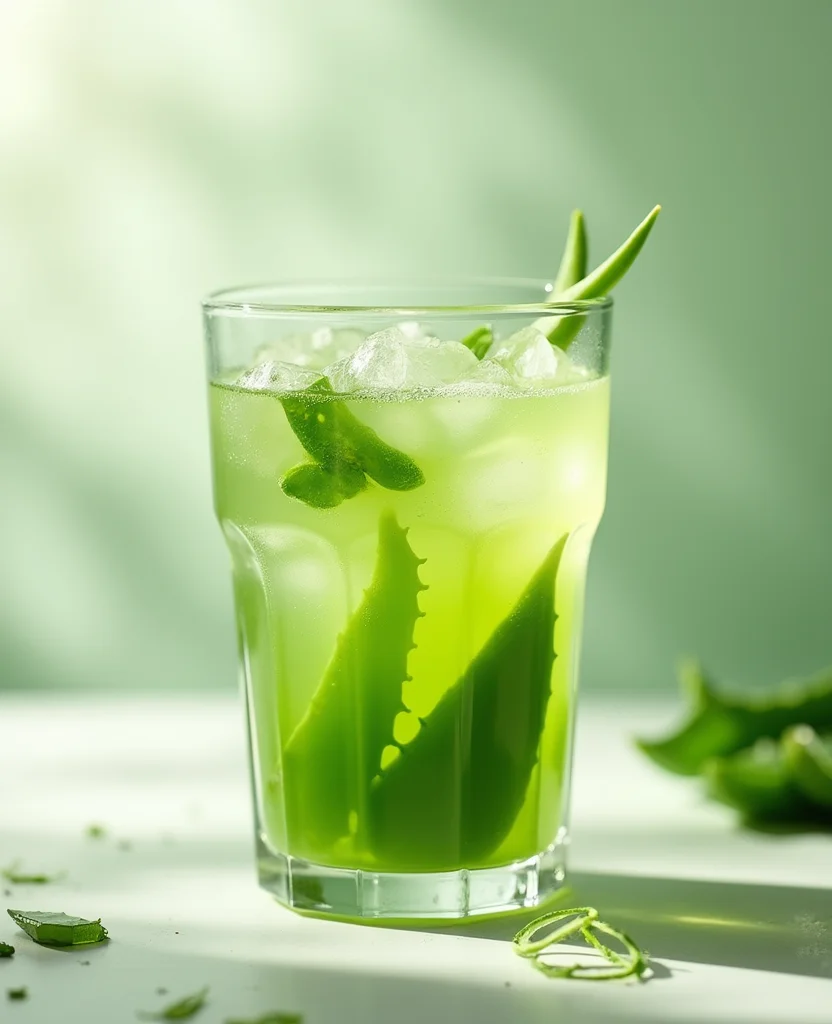
• Traditional Presentation: Serve in clear glasses to showcase the vibrant color, garnished with mint leaves and a lemon slice.
• Modern Touch: Use mason jars with striped straws for a trendy look, perfect for outdoor gatherings.
• Party Style: Serve in a large punch bowl with floating cucumber and lemon slices for self-serving.
• Health-Focused: Present in a glass bottle with a label indicating its detoxifying benefits, ideal for health-conscious settings.


Conclusion
Embarking on a journey of natural detoxification can be both rewarding and delicious with these aloe vera juice recipes.
The refreshing blend of flavors not only revitalizes but also provides numerous health benefits.
I encourage you to explore and experiment with these recipes to find your perfect blend.
Enjoy the process and the invigorating results that follow.